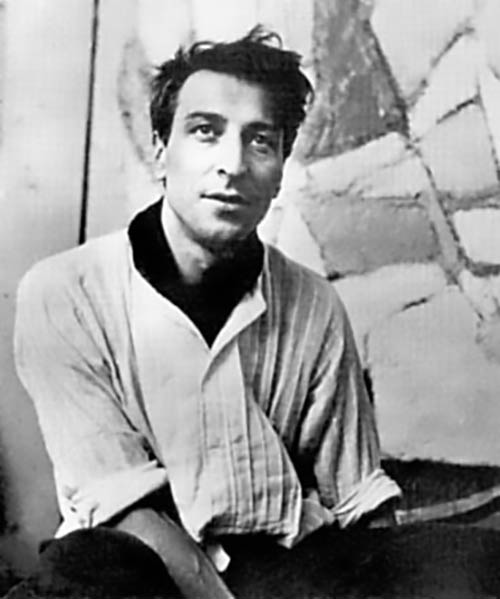
(Córdoba: 11 January 1934 - Buenos Aires: 26 February 2022)
A painting student at the Beaux-Arts de Córdoba, he completed his training and his eye during a trip to Europe and Africa in the early 1950s, during which Seguí attended painting and sculpture courses at the Beaux-Arts in Paris and Madrid. Initially inspired by German figurative painters such as Otto Dix and George Grosz, his first works reflected a certain irony of the world.
On his return to Argentina, he organised his first exhibition in 1957, before returning to Latin America, stopping off in Mexico to study all the engraving techniques, particularly those used by muralists.
Antonio Seguí finally settled in Paris after representing Argentina at the 1963 Biennale. His style evolved towards a more absurd and humorous figuration that brought him closer to Ferdinand Léger and Diego Rivera: he used multiple drawing, painting and engraving techniques in urban worlds bursting with colour. The teeming city is an anonymous theatre of busy characters under their hats.
His work is exhibited worldwide in over a hundred museums and galleries.
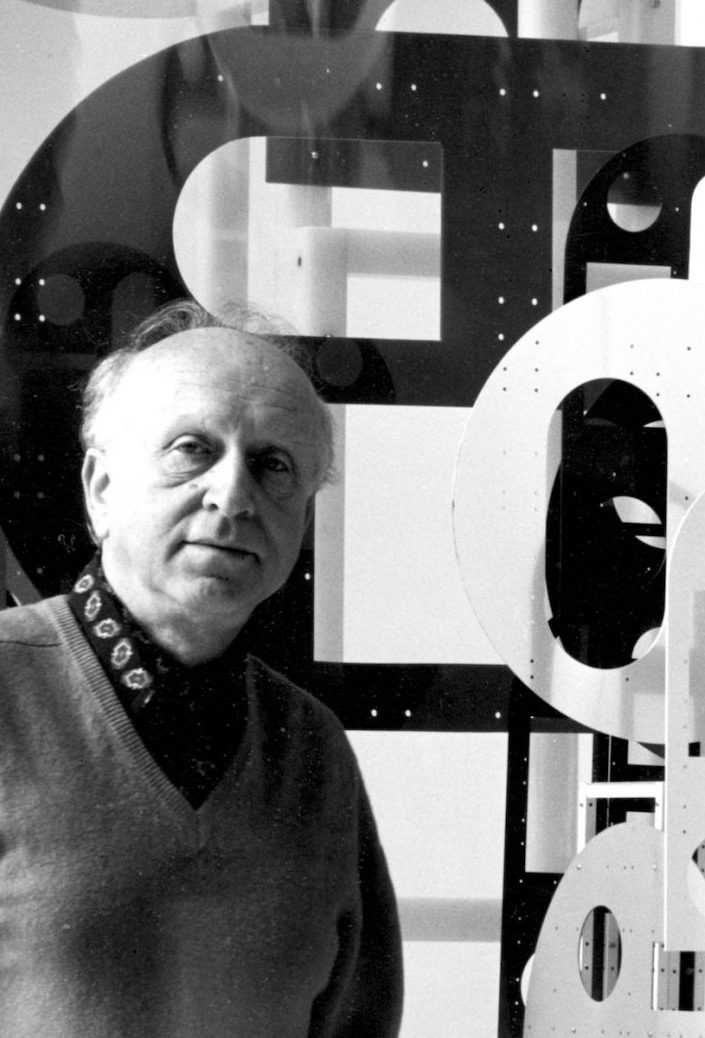
(Innsbruck: 14 September 1917 - Milan: 31 December 2007)
Italian architect and designer, close to the anti-establishment Antidesign movement and founder of the post-modern group Memphis, whose creations are distinguished by their clean lines and shimmering, plain colours.
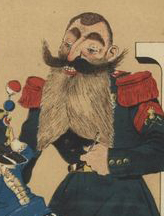
Henri de Sta, of his real name Henri de Saint-Alary, is a French draughtsman and illustrator born in Versailles in 1846, who died in 1920. He made many cartoons for the press, notably for The Black Cat (from 1892), Mame, Le Paris Bouffon (1885), The Laughter (1897) and The Charivari (1900). He also illustrated works for young people: The Moral and Wonderful Tales, The Week of Suzette and Le Petit Journal Illustré de la Jeunesse.

Karin Székessy est une photographe allemande née le 17 avril 1938 à Essen. Formée entre 1957 et 1959 à l’Institut de photojournalisme de Munich, elle débute professionnellement dès la fin des années 1950. De 1960 à 1966, elle travaille comme photographe de reportage pour la revue Kristall. À partir de 1963, elle développe une œuvre personnelle centrée sur le nu féminin, le portrait et la figure humaine. Entre 1967 et 1969, elle enseigne la photographie de mode à la Werkkunstschule de Hambourg. Devenue indépendante au début des années 1970, elle collabore avec Der Spiegel, ZEITmagazin, Phot and Graphis. Son travail privilégie le noir et blanc, la lumière naturelle et une composition d’inspiration classique. En 1971, elle épouse l’artiste Paul Wunderlich, avec lequel elle entretient un dialogue esthétique durable. Elle reçoit plusieurs distinctions, dont le Prix Spezial de la Triennale de Freiburg (1977) et le Kodak Fotobuchpreis (1978). Elle publie plusieurs ouvrages de référence, parmi lesquels Les Filles dans l’Atelier (1969) et Dialogues (Kerber, 2015). Ses œuvres sont exposées internationalement depuis les années 1970. Des rétrospectives lui sont consacrées au Fotomuseum de Brême (1993) et au Museum für Kunst und Gewerbe Hamburg (2008). Ses photographies figurent dans des collections publiques et privées européennes. Karin Székessy est aujourd’hui considérée comme une figure majeure de la photographie artistique allemande contemporaine.